EDITORIAL

This article traces the evolution of approaches to the diagnosis and treatment of erectile dysfunction (ED) throughout the 20th century — from the early dominance of psychiatry in this field (the concepts of Sigmund Freud and the couples‑based sex‑therapy methodology of Masters and Johnson) to the establishment of urology as the leading discipline in the study of male sexual disorders. The article reviews the history of research on nocturnal erections and their role in the differential diagnosis of psychogenic and organic forms of ED. Particular attention is paid to the revolutionary contributions of Tom Lue and Irwin Goldstein to the development of evidence‑based erectile physiology, ED pharmacotherapy, and the recognition of ED as an early marker of systemic vascular disease. At the same time, the author outlines the main results of his own 1980s investigations, including the development of selective arteriography and dynamic cavernosography, the formulation of postulates on vascular, neurogenic, and endocrine mechanisms of ED, as well as clinical experience with implant surgery in 200 patients. It is emphasized that the 1970s–1980s were a period of fundamental discoveries that laid the foundation for modern diagnostic and therapeutic strategies in ED.
This article presents an insider’s overview of the 41st Congress of the European Association of Urology (EAU), written from the perspective of a participant. At the request of the Editorial Board of “Urology Herald”, the review was prepared by Prof. Pavel I. Rasner, MD, Dr.Sc.(Med), Chief Physician of the University Clinic of the Semashko Institute of Clinical Medicine. Drawing on his personal impressions and analysis of the key reports, the author highlights the major advances and emerging trends in contemporary urology. In his view, the congress not only summarized recent achievements but also delineated a clear trajectory for development in the coming years: from digital transformation and risk‑adapted screening programmes to personalized medicine and an integrated approach to male reproductive health. The innovations presented are already reshaping clinical practice, and their wide‑scale implementation promises to bring urological care worldwide to a qualitatively new level.
ORIGINAL ARTICLES
Introduction. Lichen sclerosus (LS) is one of the common aetiological factors underlying phimosis. However, this cause frequently remains unrecognised in routine clinical practice. Clear, evidence‑based algorithms for the management of phimosis complicated by LS are currently lacking or fail to achieve satisfactory effectiveness.
Objective. To evaluate the efficacy and safety of topical glucocorticosteroid (GCS) therapy after circumcision in men with histologically confirmed LS.
Materials & methods. This prospective randomised study included 132 adult men who underwent circumcision for phimosis between 2023 and 2025. Following histopathological assessment of the preputial specimens, we performed a comparative analysis of patients with and without LS. The severity of genital skin involvement, including histological parameters, as well as selected somatic comorbidities and clinical indices, was assessed. LS-patients were randomised into two groups: group A (study group) comprised 13 patients who received postoperative topical clobetasol propionate 0.05% under regular specialist follow‑up, whereas group B (control group) included 14 patients who were followed up without topical GCS therapy.
Results. LS was identified as the aetiological factor of phimosis in 20.45% (27/132) of cases. The effectiveness of the combined approach in the study group reached 100%, while in the control group the corresponding rate was 78.4%. Conclusion. LS is diagnosed in approximately one in five patients undergoing circumcision for phimosis. In the presence of LS affecting the prepuce and glans penis, a combined strategy consisting of circumcision followed by adjuvant topical GCS therapy appears to be a curative option for this patient population.
Introduction. Androgen deficiency in men is associated with multiple adverse effects on reproductive function and psychoemotional well‑being. Aromatase, the enzyme that catalyzes the conversion of androgens to estrogens and thereby maintains an appropriate sex‑steroid balance, represents a potential therapeutic target; the use of biologically active molecules with aromatase‑modulating properties may help restore the estradiol/testosterone (E2/T) ratio in men with functional hypogonadism. D‑chiro‑inositol is one such naturally occurring molecule that can modulate aromatase expression in a dose‑dependent manner and exerts insulin‑mimetic effects, reducing insulin resistance in adipose tissue. Importantly, modulation of aromatase expression by D‑chiro‑inositol does not result in complete enzyme blockade, thus avoiding adverse effects typically associated with aromatase inhibitors.
Objective. To evaluate the efficacy of D‑chiro‑inositol in the management of functional hypogonadism in men.
Materials and methods. A 90‑day, controlled study was conducted to assess the effect of the dietary supplement Inokirol®, containing D‑chiro‑inositol at aromatase‑modulating and insulin‑mimetic doses, on serum sex hormones and gonadotropins, biochemical parameters, and semen characteristics in 60 adult men with functional hypogonadism. Patients were randomized into two groups. Group 1 received 2,000 IU of vitamin D and 450 mg of omega‑3 polyunsaturated fatty acids (Detrimarin, 1 capsule daily) in combination with 1,200 mg of D‑chiro‑inositol (Inokirol®, 2 tablets daily). Group 2 received 2,000 IU of vitamin D and 450 mg of omega‑3 polyunsaturated fatty acids (Detrimarin, 1 capsule daily) plus a placebo visually indistinguishable from Inokirol®.
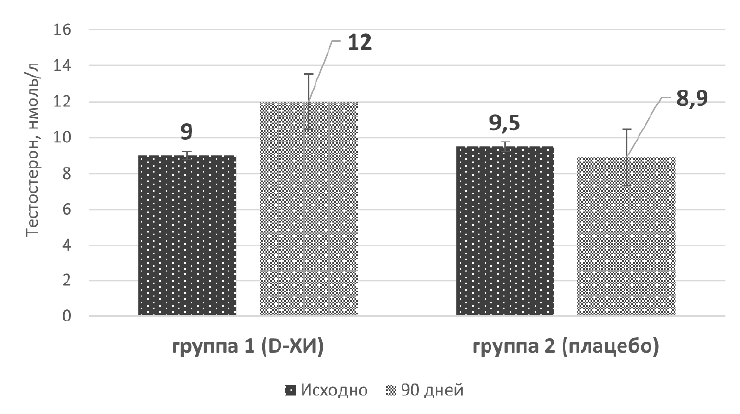
Results. In Group 1, supplementation with D‑chiro‑inositol (Inokirol®) led to a statistically significant increase in total testosterone by 33% (p < 0.00001) and an increase in the T/E2 ratio by 41% (p < 0.00001), accompanied by a marked improvement in sexual satisfaction. Estradiol concentrations remained stable, while the T/E2 ratio normalized. No statistically significant changes in these parameters were observed in Group 2. In Group 1, metabolic and lipid profile indices improved significantly, consistent with the insulin‑sensitizing action of D‑chiro‑inositol. Semen parameters improved in both groups; however, only in Group 1 was there an improvement in sperm motility and in the sperm DNA fragmentation index, suggesting the involvement of deeper mechanisms of spermatogenic regulation driven by changes in the intratesticular testosterone–estradiol balance.
Conclusion. Inokirol® use in men with functional hypogonadism resulted in a significant improvement in the T/E2 ratio at stable estradiol concentrations, indicating optimization of hormonal homeostasis through modulation of aromatase activity without suppression of pituitary regulation. In addition, D‑chiro‑inositol supplementation was associated with reduced insulin resistance and low‑density lipoprotein levels, as well as improved spermatogenesis, including a favorable effect on the sperm DNA fragmentation index.
Introduction. Organ-preserving surgery for renal tumors under ischemic conditions is, in some cases, a prerequisite for a successful surgical outcome in both the early and late postoperative periods. However, reduced organ blood flow leads to oxygen deprivation, resulting in decreased cellular function and a high risk of structural damage to the organ tissue. We propose a technique called intra-arterial cold perfusion of the kidney for renal resection.
Objective. To evaluate the efficacy and safety of the intraarterial cold perfusion technique of the kidney during laparoscopic partial nephrectomy.
Materials & methods. Twenty-three patients of both sexes with highly complex renal tumors according to the R.E.N.A.L. scale (9 points (n = 15); 10 – 11 points (n = 8)) were selected. All patients had localized tumors. Surgical treatment, including laparoscopic partial nephrectomy with tumor under intra-arterial cold perfusion, was performed for all patients at the Department of Urology with Chemotherapy of the Herzen Moscow Oncology Research Institute from May 2023 to January 2025.
Results. The average duration of the operation was 197.5 minutes [151.25; 280.75]. The average blood loss was 150 ml (100; 220). The average tumor size was 57 mm. The average duration of renal anoxia was 58.2 minutes (42.9; 64.4). On average, 950 ml of chilled saline solution was required to cool the kidney. During the entire observation period, recurrence of the disease was not detected in any case. The average level of SCF before surgery and one year after surgery was 83.6 and 82, respectively. The percentage of functional contribution of the operated kidney decreased by 6% one year after surgery.
Conclusions. Laparoscopic kidney resection under conditions of cold intra-arterial ischemia is an effective and technically convenient method of surgical treatment of patients with anatomically complex kidney tumors, the removal of which requires prolonged organ ischemia.
Introduction. Urinary tract infections (UTIs) are the most common extragenital pathology in pregnant women and are associated with a high risk of obstetric and neonatal complications. Attention is paid to asymptomatic bacteriuria (ASB), which may lead to the development of gestational pyelonephritis. Despite the availability of clinical guidelines, the timing of screening, the need for ASB treatment, and the choice of antimicrobial therapy remain controversial. The lack of consensus within the international medical community, as well as discrepancies in national regulatory documents, underscores the need for further study of this problem.
Objective. To evaluate the effectiveness of ASB treatment in pregnant women in real-world clinical practice.
Materials & methods. A prospective analysis of pregnancy outcomes and delivery records was performed in 150 pregnant women aged 18 to 42 years. All patients were divided into three groups: group 1 (n = 43) included women who received treatment for ASB; group 2 (n = 77) included pregnant women who declined treatment for ASB; group 3 (n = 30) included patients who had not been screened for ASB. The study included an analysis of clinical and anamnestic data, urine culture results, renal ultrasonography, and pregnancy and delivery outcomes.
Results. The groups were comparable in age and anthropometric parameters, but differed significantly in the number of pregnancies, deliveries, and gynaecological surgeries. In group 1, monomicrobial growth was detected in 81.4% of the first urine cultures and 72.1% of the second; in group 2, the corresponding values were 72.7% and 80.5%. In group 1, ASB treatment consisted of antibiotics (25.6%), Canephron (62.8%), or their combination (11.6%). Despite treatment, acute pyelonephritis developed in 7 (16.3%) patients in group 1, which was higher than in group 2, where acute UTI episodes were recorded in 3 (3.9%) women. No urological complications were observed in group 3. Vaginal delivery predominated over caesarean section in all groups. All newborns had Apgar scores of 7 – 8.
Conclusion. In this study, ASB treatment did not reduce the incidence of acute pyelonephritis in pregnant women compared with the untreated group. These findings suggest the need to reconsider approaches to ASB diagnosis, introduce methods for identifying uropathogenic taxa, and search for inflammatory biomarkers to define selective groups of pregnant women who may benefit from antibacterial therapy. Randomised controlled trials are required to individualise management strategies in this patient population.
Introduction. It is well established that women experience a more pronounced decline in quality of life after the onset of urinary tract stone disease (urolithiasis), and that the rate of sepsis following ureteroscopic procedures is higher in this patient group.
Objective. To evaluate the effectiveness of systemic enzymotherapy in the prevention of infectious complications after ureteral stenting and subsequent contact laser ureterolithotripsy.
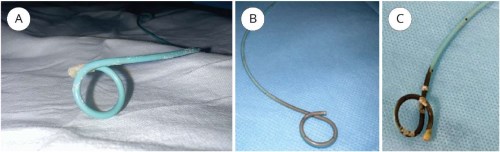
Materials & methods. This comparative, prospective, randomised clinical trial was conducted at four hospitals in Moscow. The final analysis included a cohort of 100 female patients who underwent ureteroscopic interventions following preoperative internal drainage of the upper urinary tract between October 2024 and May 2025. Patients were allocated to two groups: group 1 (n = 61) received Furamag® and systemic enzymotherapy (Wobenzym®) starting from stent placement, with the same treatment regimen repeated after the ureteroscopic procedure; group 2 (n = 39) received monotherapy with the antimicrobial agent Furamag® alone.
Results. At the time of repeat hospitalisation prior to lithotripsy, the main group had a significantly lower prevalence of leukocyturia and bacteriuria (p = 0.001). The need for preoperative antibiotic therapy, including the ambulatory phase, was 4.4-fold lower in women in the main group. Culture of the ureteral stent showed that absence of pathogen growth was more common in the main group. When growth was detected, the microbial titre was predominantly in the range of 10¹ to < 10⁴ CFU/mL (p = 0.001). The addition of Wobenzym® significantly reduced stent biofilm formation by a factor of 4.5.
Conclusion. In women with preoperative internal drainage of the upper urinary tract, incorporating Wobenzym® into combined therapy reduces leukocyturia, bacteriuria, and stent biofilm formation, thereby decreasing the need for antimicrobial therapy.
Introduction. Stress urinary incontinence is widely prevalent among women, and the use of mid-urethral slings (MUS) is associated with a risk of complications, which necessitates clarification of their causes and consequences for quality of life.
Objective. To perform a comprehensive analysis of complications associated with synthetic MUS implantation, identifying the structure of complications, contributing factors, and their impact on quality of life.
Materials & methods. A retrospective study was conducted on 148 female patients who underwent surgical sling removal due to complications between 2022 and 2024. Clinical characteristics, concomitant procedures, urodynamic data, and results from standardized questionnaires (UDI-6, ICIQ-SF, PISQ-12) and the Visual Analog Scale for pain (VAS) were analyzed.
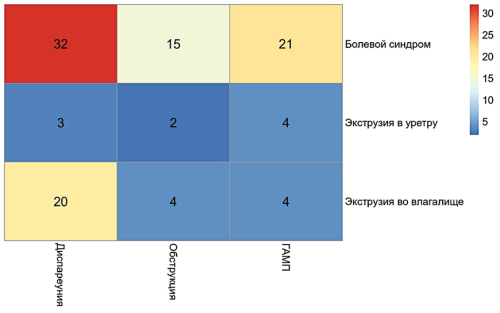
Results. The most common complications were chronic pain syndrome (29.1%), obstructive voiding (26.4%), and mesh extrusion (16.2%). A combination of two or more complications was identified in 68% of patients, most commonly pain combined with obstruction (21.6%). Incorrect sling positioning was detected in 17.5% of women. Among patients operated on by surgeons with less than 5 years of experience, the frequency of obstruction and pain was 2.3 times higher (p = 0.03). Concomitant sling implantation during pelvic organ prolapse repair was found to be associated with a higher risk of complications (p = 0.037). Conservative treatment administered before explantation proved ineffective in most cases. The time to detection of complications ranged from 3 months to 1.5 years, with some erosions being asymptomatic and diagnosed incidentally.
Conclusions. The study results demonstrate the multifactorial nature of complications after MUS implantation. Significant risk factors were identified, including suboptimal implant positioning, limited surgeon experience, and concomitant procedures. The findings emphasize the need for careful preoperative planning, adherence to surgical technique, and long-term postoperative follow-up.
REVIEWS ARTICLE
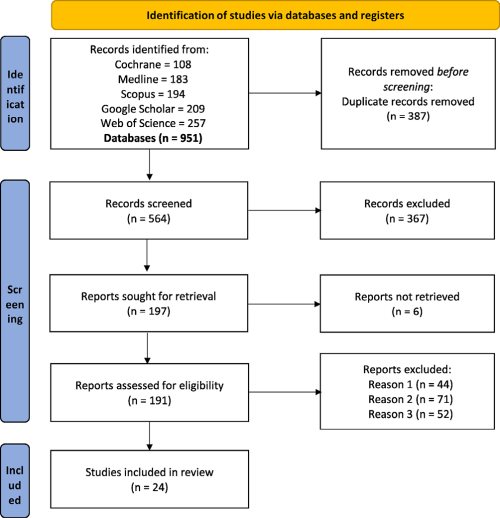
Erectile dysfunction is aprevalent condition affecting millions of men worldwide, with significant implications for physical health, psychological well-being, and quality of life. This systematic literature review aims to provide a comprehensive overview of the current landscape of ED, focusing on its diagnosis, management, and emerging interventions. A structured search of peer-reviewed literature was conducted across multiple databases, including PubMed and Cochrane Library, using predefined inclusion and exclusion criteria. The review highlights the multifactorial nature of erectile dysfunction, emphasizing the importance of accurate diagnosis through tools such as the International Index of Erectile Function, penile Doppler ultrasound, and nocturnal penile tumescence testing. Pharmacological treatments, particularly phosphodiesterase type 5 inhibitors, remain the cornerstone of management, while nonpharmacological options like vacuum erection devices and psychotherapy play complementary roles. Emerging therapies, including stem cell therapy, platelet-rich plasma therapy, and low-intensity extracorporeal shockwave therapy, offer promising avenues for refractory cases. Despite advancements, challenges such as stigma, cost, and limited access to innovative treatments persist. This review underscores the need for a multidisciplinary approach to erectile dysfunction care and calls for further research to refine diagnostic tools, optimize treatment strategies, and enhance accessibility to cutting-edge interventions. By addressing these gaps, we can improve outcomes for men with erectile dysfunction and promote holistic sexual health.
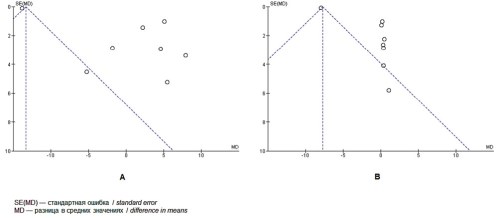
Introduction. The use of magnetic resonance imaging (MRI) for the diagnosis of urethral stricture is a promising direction. Currently, very few studies addressing this issue are available in the international literature.
Objective. To compare MRI and retrograde urethrography in terms of accuracy of urethral stricture length assessment by conducting a systematic review and meta‑analysis.
Materials & methods. A literature search was performed in the PubMed, Scopus, and Russian Scientific Citation Index databases, without restrictions on the year of publication. Study inclusion criteria for the meta‑analysis were: (1) original research; (2) within the same study, comparison of retrograde urethrography (RUG) with or without voiding cystourethrography (VCUG) and MRI for assessment of anterior or posterior urethral stricture length, with correlation of these data against intraoperative stricture length measurements; (3) publication in a peer‑reviewed scientific journal (full‑text article). The initial search identified 312 publications, of which eight studies were included in the final analysis.
Results. The mean urethral stricture length by RUG + VCUG differed significantly from the mean intraoperative stricture length, both when comparing all eight studies (mean difference 12.6 mm) and when comparing seven studies excluding one study with a large weight (mean difference 3.8 mm). The mean urethral stricture length by MRI differed significantly from the mean intraoperative length only when comparing all eight studies (mean difference 7.73 mm), whereas no significant difference was observed when comparing seven studies excluding one study with a large weight (mean difference 0.24 mm).
Conclusion. MRI provides more accurate information on urethral stricture length compared with conventional urethrography and yields data comparable to intraoperative measurements. Therefore, MRI should be used more actively in the diagnosis of urethral stricture.
Introduction. Transurethral resection of the prostate (TURP) has historically been regarded as the gold standard surgical treatment for benign prostatic hyperplasia (BPH), although over the past two decades the spectrum of transurethral procedures has expanded substantially with the introduction of various enucleation techniques. Despite the favourable safety profile of contemporary technologies, urinary incontinence (UI) remains one of the most clinically significant complications following transurethral surgery for BPH.
Objective. To summarise current data on the incidence and classification of different forms of UI after transurethral procedures for BPH; to analyse key risk factors, and to critically appraise existing predictive models and nomograms, with a view to outlining prospects for their further refinement and clinical implementation.
Materials & methods. A literature search was performed in the PubMed and Elibrary.ru databases for the period from 1999 to 2026, restricted to publications in Russian and English.
Results. A central challenge in studying postoperative UI is the absence of a single standardised definition, with clinical studies employing both subjective measures (patient‑reported symptoms and validated questionnaires such as ICIQ‑SF, IPSS, UCLA‑PCI) and objective metrics (pad counts and 24‑hour pad tests). The principal mechanism of stress UI is injury to the external urethral sphincter at the prostatic apex and verumontanum due to mechanical trauma during enucleation and urethral dilation, whereas urgency UI is attributed to pre‑existing detrusor overactivity from chronic obstruction and to postoperative inflammation and bladder irritation, including potential thermal effects. Proposed risk factors for UI include age, body mass index, operative technique, prostate volume and growth pattern, urethral anatomy, urodynamic parameters, and surgeon experience. Based on these predictors, several prognostic models and nomograms have been developed in recent years to enable individualised assessment of postoperative UI risk and to improve preoperative counselling and surgical decision‑making.
Conclusion. Reported UI rates vary widely due to heterogeneity in definitions and assessment methods, highlighting the need for user‑friendly tools that facilitate implementation of predictive models in routine practice.
CLINICAL CASES
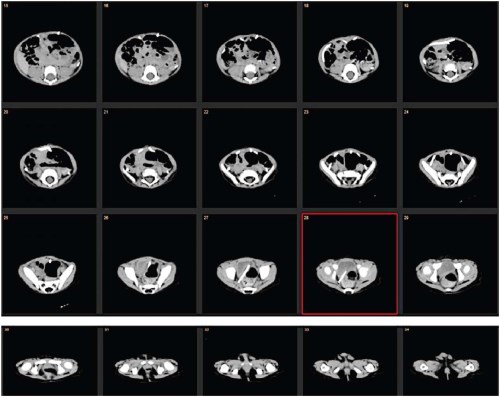
Introduction. Umbilical ventriculoperitoneal (VP) shunt migration is a rare complication of VP shunt placement for hydrocephalus, with an estimated incidence of 5.8%. It can closely mimic other umbilical pathologies, such as a patent urachus, leading to diagnostic challenges.
Clinical case. We report a case of a 14-month-old boy with hydrocephalus who presented with persistent clear umbilical fluid leakage. Initial ultrasound and computed tomography scan findings suggested a patent urachus due to the tenting of the superior bladder towards the umbilicus. Intraoperative exploration revealed that the urachus was obliterated and that the leakage was due to the migration of the VP shunt catheter into the umbilicus. The patient then underwent a VP shunt revision, which led to the complete resolution of symptoms within two weeks.
Conclusion. Umbilical VP shunt migration is a rare but significant complication that can mimic a patent urachus. This case underscores the importance of considering VP shunt complications in similar presentations and highlights the need for additional diagnostic tools, such as voiding cystourethrogram or sinogram, to ensure accurate preoperative diagnosis.
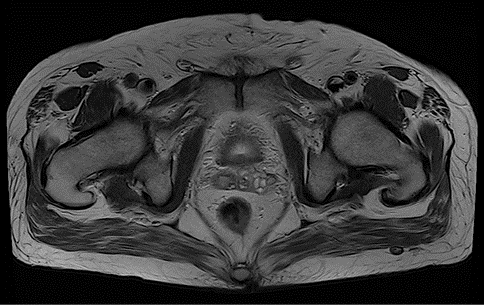
The article presents a clinical observation of a rare case of seminal vesicle abscess in apatient after kidney transplantation, who was receiving immunosuppressive therapy. The patient was admitted with complaints of high fever, general weakness, scrotal pain. Conservative treatment with reserve antibiotics proved ineffective. Pelvic magnetic resonance imaging (MRI) revealed an abscess of the right seminal vesicle. The patient underwent transperineal drainage, which resulted in a favorable clinical outcome. This case highlights the importance of considering purulent-destructive changes of the pelvic organs in the differential diagnosis of patients with immunodeficiency and nonspecific pelvic symptoms. Magnetic resonance imaging plays a key role in timely diagnosis verification, while a combined approach including targeted antibiotic therapy and adequate drainage ensures optimal treatment outcomes.
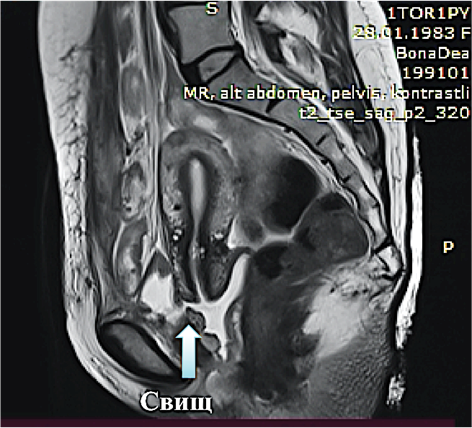
Two clinical cases of neobladder–vaginal fistula (NVF), a rare complication of orthotopic cystoplasty, are presented. In a 42‑year‑old woman who had previously undergone open radical cystectomy with orthotopic ileal neobladder, the fistula was successfully treated by fistulorrhaphy at the first attempt. In a 63‑year‑old woman after robot‑assisted cystoplasty, NVF recurred two months after the initial repair; during re‑operation, the reservoir defect was sealed with biological glue, but the patient subsequently developed urinary peritonitis. This complication was managed laparoscopically by abdominal sanitation and drainage, resulting in spontaneous closure of the reservoir wall defect. On long‑term follow‑up, both patients achieved restoration of spontaneous voiding without urinary incontinence. The discussion addresses risk factors for NVF, including impaired vascularisation and intraoperative injury to the anterior vaginal wall, overlapping suture lines, post‑radiation changes, and other local tissue‑compromising conditions. Surgical options for NVF correction, primarily transvaginal and transabdominal approaches, are described with an emphasis on careful tissue handling and multilayer closure to ensure watertight sealing of the neobladder. The report underscores that NVFs are amenable to repair but highlights the importance of recognising the risk of intraperitoneal urine leakage in the setting of reservoir dehiscence and planning prompt intervention accordingly.
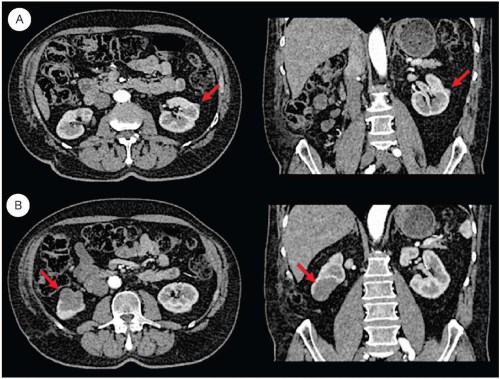
Introduction. Simultaneous robot‑assisted procedures for synchronous tumours of different anatomical sites remain rare in routine clinical practice. We report a clinical case of successful simultaneous robot‑assisted bilateral partial nephrectomy and radical prostatectomy in a patient with synchronous bilateral renal cell carcinoma and prostate cancer.
Case report. A 74‑year‑old man with synchronous renal cell carcinoma in both kidneys and localised prostate cancer underwent a single‑session operation consisting of robot‑assisted bilateral partial nephrectomy and radical prostatectomy with extended pelvic lymph node dissection. To minimise operative time and the risk of complications, patient positioning, trocar placement, and the sequence of surgical steps were carefully optimised. The total operative time was 340 minutes, including 230 minutes of console time; no intraoperative complications occurred and blood loss was less than 100 ml. The postoperative course was uneventful, and the patient was discharged on postoperative day 4. Histopathological examination revealed papillary renal cell carcinoma (G2) in the right kidney, clear cell renal cell carcinoma in the left kidney, and acinar adenocarcinoma of the prostate (Gleason score 7 (3+4)), with negative surgical margins in all specimens. At 1‑month follow‑up, there were no signs of recurrence or procedure‑related complications, and the patient reported no urinary incontinence.
Conclusion. This case illustrates the feasibility and safety of simultaneous robot‑assisted surgery in patients with synchronous renal and prostate tumours. The described approach allows favourable oncological and functional outcomes, shortens hospital stay, and minimises the risk of complications, and may serve as a practical reference for surgeons planning similar procedures.
LIFE HACKS FOR UROLOGIST
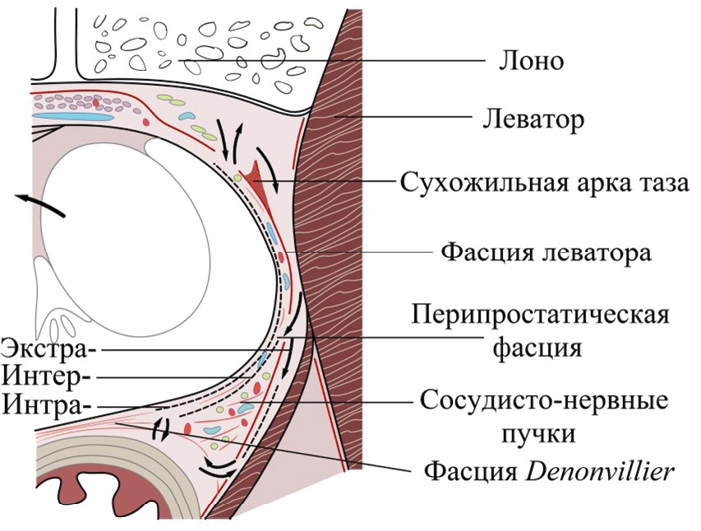
An option of hydraulic tissue preparation or hydrodissection with or without ICG during laparoscopic nerve-sparing radical prostatectomy is described here in “Tips & Tricks” manner. Author's “Lifehack” to make this manipulation easier is also presented (video is available at https://youtu.be/DZv7GPiwbi0).
LECTURES
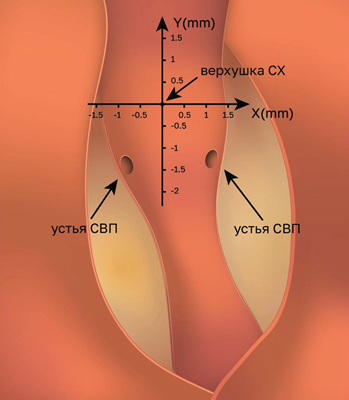
Seminal vesicles play an important role within the male reproductive system, yet their pathology remains an under‑recognised cause of chronic pelvic pain syndrome (CPPS), frequently misattributed to chronic prostatitis. Vesiculoscopy is a minimally invasive endoscopic technique that permits direct visualisation and targeted treatment of disorders affecting the seminal vesicles and ejaculatory ducts. The lecture outlines the anatomy and physiology of the seminal vesicles, the principal indications for vesiculoscopy (including persistent haematospermia, ejaculatory duct obstruction, chronic seminal vesiculitis and seminal vesicle calculi), and provides a step‑by‑step description of the operative technique. Emphasis is placed on the diagnosis of CPPS related to seminal vesicle pathology, encompassing both inflammatory and obstructive changes. Two clinical cases are presented to illustrate the effectiveness of vesiculoscopy in patients with refractory pain and seminal vesicle calculi. This modality offers high diagnostic yield in the absence of reliable non‑invasive imaging alternatives but necessitates careful patient selection and meticulous adherence to technical details to minimise complications. Vesiculoscopy thereby broadens the therapeutic armamentarium of urologists in the management of complex CPPS, and reproductive disorders associated with seminal vesicle disease.