


ORIGINAL ARTICLES
Introduction. Thulium fiber laser enucleation of the prostate (ThuFLEP) is an effective, minimally invasive surgical option for benign prostatic obstruction, enabling complete anatomical adenoma removal with excellent hemostasis and applicability across a wide range of prostate volumes. Despite the high efficacy of endoscopic enucleation techniques, early postoperative stress urinary incontinence (SUI) remains one of the most clinically relevant functional complications, adversely affecting patients’ quality of life and satisfaction with surgery.
Objective. To determine the incidence and potential risk factors for SUI following ThuFLEP performed by a single surgeon with experience of more than 3000 endoscopic enucleations.
Materials & methods. Between May 2021 and September 2022, ThuFLEP was performed in 381 patients. The FiberLase U3 system (IRE Polus Ltd., Fryazino, Russia) was used as the laser source, with standard settings of 1.5 J, 40 Hz, 60 W.
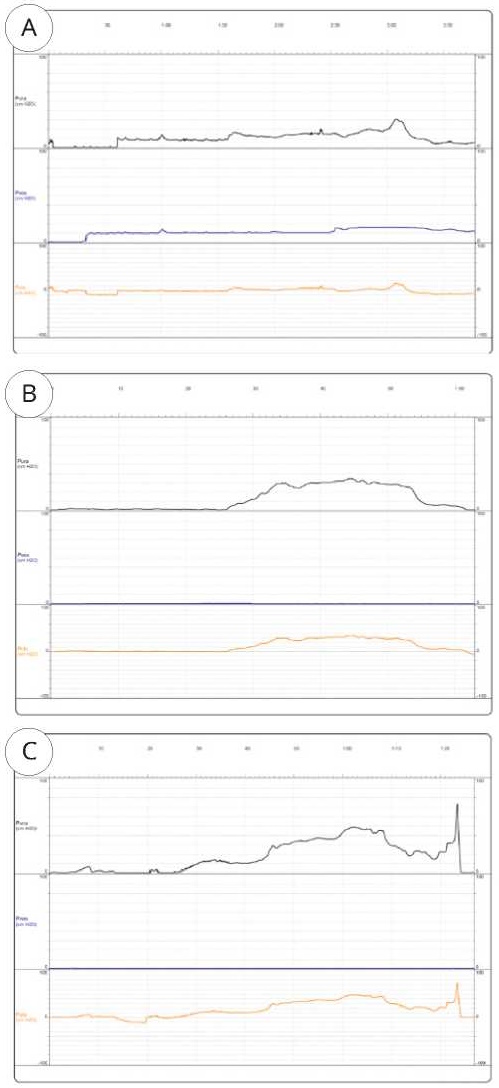
Results. SUI occurred in 45 patients (11.8%) after ThuFLEP. Only one patient (0.3% of the cohort) had symptoms persisting beyond 3 months, whereas SUI resolved within 3 months in the remaining 99.7% of cases. Urethral pressure profilometry in the single patient with persistent SUI demonstrated marked sphincter insufficiency, which was successfully managed with comprehensive rehabilitation. On univariate regression analysis, preoperative IPSS was identified as a risk factor for SUI: each one-point increase in IPSS was associated with a 1.074-fold rise in the odds of SUI (95% CI 1.007–1.145, p = 0.029). Use of the en-bloc technique emerged as a protective factor, reducing the odds of SUI by 89.4% (95% CI 0.014–0.789, p = 0.028). Multivariate regression analysis showed a similar trend, although the differences did not reach statistical significance, in line with prior ThuFLEP series.
Conclusion. SUI after ThuFLEP is observed in 11.8% of patients and resolves within 3 months in 99.7% of cases. Greater baseline symptom severity as measured by IPSS increases the risk of postoperative SUI, whereas en-bloc ThuFLEP appears to confer a protective effect.
Introduction. Angiomyolipoma (AML) is the most common benign renal tumor. Selective arterial embolization of AML-feeding vessels is currently regarded as an effective organ-preserving treatment. However, the absence of unified criteria for predicting procedural success limits its widespread adoption.
Objective. To evaluate the outcomes of endovascular embolization of renal AML according to tumor angioarchitectonic type.
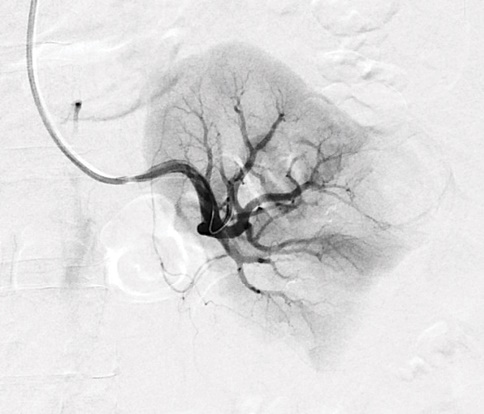
Materials & methods. This retrospective study included 30 patients with renal AML who underwent endovascular embolization between 2021 and 2024. Based on angiographic findings, all AMLs were classified into three types according to their vascular supply: type I (poor vascularization), type II (up to two major feeding arteries), and type III (multiple feeding arteries). Embolization was performed in patients with type II and III vascular patterns. Technical success of embolization, as well as changes in tumor size and volume at 6 and 12 months, were assessed.
Results. The distribution of AMLs by vascular type was as follows: type I in 5 (17%) patients, type II in 16 (53%), and type III in 9 (30%). Embolization was technically not feasible in type I. Overall embolization success was achieved in 88% of cases (22 patients). Technical success was 100% for type II (16/16) versus 66.7% for type III (6/9). Statistical analysis demonstrated that the probability of successful embolization was 3.67 times higher for type II compared with type III (OR 3.67; 95% CI 1.85–7.26; p = 0.014). In all cases of successful embolization, a significant reduction in AML size and volume was observed during long-term follow-up.
Conclusion. Selective embolization is an effective treatment for renal AML, achieving substantial tumor shrinkage. The proposed classification of AML vascular types is a clinically useful tool that allows stratification of patients by likelihood of technical success at the diagnostic angiography stage. The best embolization outcomes were observed in patients with type II angioarchitecture.

Introduction. The presence of a positive surgical margin (PSM; R1 resection) following partial nephrectomy is associated with inferior oncological outcomes. Identification of risk factors for PSM and targeted optimization of modifiable variables may improve the surgical management of renal cell carcinoma and enhance long-term oncological outcomes.
Objective. To identify risk factors for PSM following partial nephrectomy performed under warm ischemia, determine which of these factors are potentially modifiable, and evaluate the potential for reducing the incidence of PSM through targeted perioperative management.
Materials & methods. A retrospective single-center study was conducted including 570 patients with localized renal cell carcinoma (clinical stages cT1–T2) who underwent partial nephrectomy between 2023 and 2025. Procedures were performed under warm ischemia using laparoscopic, retroperitoneoscopic, open, or robot-assisted approaches. Demographic, clinical, and pathological characteristics, the R.E.N.A.L. nephrometry score, surgical complexity, and key perioperative parameters—including warm ischemia time, estimated blood loss, incidence of collecting system injury, and PSM rate—were analyzed. Multivariable logistic regression, multivariable linear regression, and receiver operating characteristic (ROC) curve analyses were performed to identify independent predictors.
Results. The overall incidence of PSM was 6.3% (n = 36). On univariable analysis, PSM was associated with larger tumor size, clinical stage cT1b, a higher R.E.N.A.L. nephrometry score, greater surgical complexity, prolonged warm ischemia time, and increased intraoperative blood loss. Multivariable analysis identified warm ischemia time and intraoperative blood loss as independent predictors of PSM. Threshold values associated with an increased risk of PSM were 28 minutes for warm ischemia time and 100 mL for intraoperative blood loss. Blood loss ≥100 mL was also associated with an increased risk of collecting system injury. Independent predictors of increased intraoperative blood loss included tumor size, the presence of atherosclerosis, operative time, warm ischemia time, surgical maneuver (tumor resection), and the renal artery-to-aorta diameter ratio (RA/Ao). An RA/Ao ratio ≥29% was found to predict intraoperative blood loss ≥100 mL.
Conclusions. Warm ischemia time and intraoperative blood loss are independent predictors of PSM following partial nephrectomy performed under warm ischemia. Among these, intraoperative blood loss represents the only modifiable risk factor, underscoring the importance of meticulous preoperative planning and rigorous intraoperative hemostatic control. Attention should be paid to patients with atherosclerosis and an RA/Ao ratio ≥29%, as they are at increased risk of significant blood loss. Implementation of these strategies may reduce the incidence of PSM and improve oncological outcomes following partial nephrectomy. Further validation of these findings in prospective multicenter studies is warranted.
Introduction. Bladder neck contracture (BNC) is a clinically significant late complication of transurethral surgical treatment for benign prostatic hyperplasia (BPH) and is often characterized by a recurrent course. Given the limited effectiveness of repeated endoscopic procedures, there remains a need to develop minimally invasive approaches aimed at preventing recurrent scarring and maintaining long-term bladder neck patency.
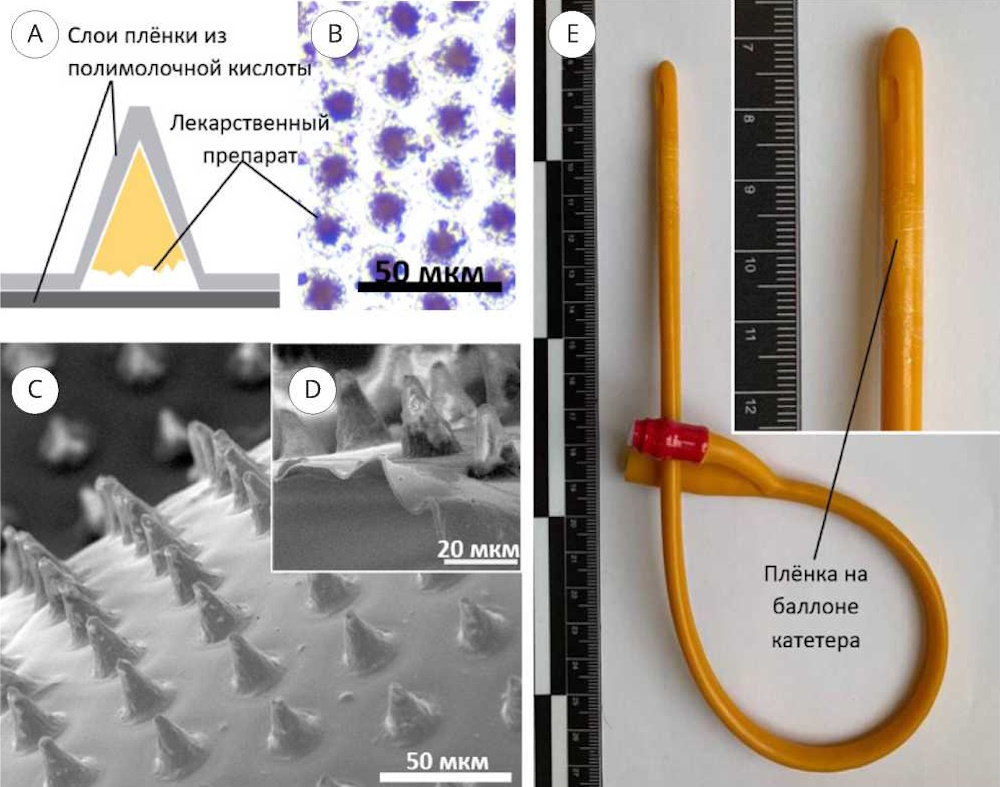
Objective. To evaluate the effectiveness of staged balloon dilation using a methylprednisolone drug-coated urethral catheter.
Materials & methods. This prospective observational study included 56 patients with recurrent BNC after transurethral interventions for BPH. As the first stage of treatment, all patients underwent transurethral incision of the scarred area, followed three weeks later by staged balloon dilation using a methylprednisolone drug-coated urethral catheter under transrectal ultrasound guidance. Treatment efficacy was assessed based on changes in IPSS, QoL, Qmax, post-void residual urine volume (PVR), recurrence rate, and recurrence-free survival.
Results. After the first treatment course, a marked improvement in functional parameters was observed: IPSS decreased from 17.4 to 8.4 points, QoL — from 3.6 to 1.9 points, and PVR — from 50.2 to 10.7 mL. Patients who required a second course of balloon dilation also demonstrated favorable dynamics: IPSS decreased from 16.0 to 4.5 points, QoL — from 3.0 to 1.6 points, Qmax increased from 10.5 to 20.9 mL/s, and PVR decreased from 23.8 to 7.4 mL. After the first course, a positive clinical effect was achieved in 44 patients (78.6%). A repeated course was required in 12 patients, of whom 7 achieved a stable clinical result. After two courses, the immediate effectiveness of the technique was 91.1%; however, at a median follow-up of 34.4 months, the final effectiveness was 78.6%, with recurrence recorded in 21.4% of patients. According to Kaplan—Meier analysis, recurrence-free survival was 91.1% at 12 months, 80.4% at 24 months, and 77.4% at 36 months. Most BNC recurrences occurred within the first 2 years after inclusion in the staged balloon dilation program.
Conclusion. Staged balloon dilation using a methylprednisolone drug-coated urethral catheter after transurethral incision is a promising minimally invasive treatment option for recurrent bladder neck contracture. The technique provides significant improvement in both subjective and objective voiding parameters in most patients; however, long-term follow-up is required, particularly during the first 2 years after treatment initiation.
Introduction. At present, the principal parameter used to determine stone burden is the maximum linear diameter, as assessed by non-contrast computed tomography. From a conceptual standpoint, however, linear size reflects the calculus in only one plane and should be less accurate than stone volume in representing the true burden, because volume captures the three-dimensional structure of the stone.
Objective. To compare the prognostic value of stone volume and maximum stone diameter in predicting achievement of a stone-free status after percutaneous nephrolithotomy (PCNL).
Materials & method. This retrospective study included data from 388 patients with nephrolithiasis who underwent standard PCNL. Stone volume was calculated using automated lithometry based on CT data with Vitrea software v. 4.1.52, employing the segmented region volume measurement function. Stone size was determined by the maximum diameter. Postoperatively, stone-free rate (SFR) was assessed. Stone-free status was evaluated by non-contrast CT performed 3 days after surgery. SFR was defined as the absence of residual stone fragments larger than 3 mm on CT. To compare the predictive value of stone volume and stone size, ROC analysis was performed with calculation of the AUC, and statistical significance was confirmed using the DeLong test. Multivariable logistic regression was used to verify the independent predictive role of stone volume and size. In addition, the Mann–Whitney U test was applied for quantitative variables and the chi-square test for categorical variables. Differences were considered statistically significant at p < 0.05.
Results. Multivariable logistic regression demonstrated that, after adjustment for all relevant factors, both stone volume and stone diameter were independent statistically significant predictors of complete stone clearance. The AUC for the volume-based model was higher than that for the size-based model (0.80 vs 0.75). Subgroup analysis showed that volume had greater predictive ability for solitary non-staghorn stones, whereas no statistically significant difference was observed for multiple and staghorn calculi.
Conclusion. Preoperative measurement of renal stone volume in patients with a single large non-staghorn calculus more accurately reflects the true stone burden, since, unlike maximum linear diameter, it accounts for the threedimensional configuration of the stone. For multiple and staghorn calculi, however, no statistically significant difference was found in the ability to predict the outcome of PCNL.
Introduction. Sexual dysfunctions, including erectile dysfunction and ejaculatory disorders, are highly prevalent among men and can adversely affect reproductive potential, making timely diagnosis and effective treatment essential.
Objective. To evaluate the efficacy of surgical treatment for premature ejaculation and its impact on reproductive function.
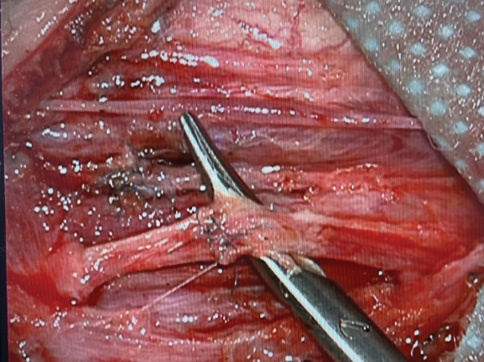
Materials & methods. The study included 116 men with premature ejaculation who expressed a strong desire to preserve and realise their reproductive potential. The diagnosis was based on the International Society for Sexual Medicine criteria. Patients underwent a comprehensive evaluation to determine the form of premature ejaculation and the main aetiological factor, including examination of the external genitalia, digital rectal examination, lidocaine test, hormonal assessment (serum testosterone, estradiol, luteinising hormone, follicle-stimulating hormone, prolactin, thyroid-stimulating hormone, triiodothyronine, and thyroxine), bacteriological testing and real-time PCR of the ejaculate and prostatic secretion, microscopy of prostatic secretion, as well as ultrasound of the scrotal organs and transrectal ultrasound of the prostate and seminal vesicles. Selective microsurgical denervation of the penile glans was performed in 41 patients.
Results. Three months after denervation, 34 patients (82.9%) achieved an average vaginal intercourse duration of more than 2 minutes. Thus, in most patients, surgery made it possible to establish spontaneous regular sexual activity with a satisfactory duration of intercourse. No significant differences were found between preoperative and postoperative semen parameters.
Conclusion. Selective microsurgical denervation of the penile glans enables patients with primary premature ejaculation to achieve regular sexual activity while avoiding treatment methods that prevent or reduce the likelihood of natural conception.
REVIEWS ARTICLE

Introduction. Bladder exstrophy-epispadias complex requires complex surgical repair. Complete primary repair of exstrophy and modern staged repair of exstrophy are the two principal approaches, but their comparative outcomes have not been quantitatively pooled.
This review assessed whether complete primary repair differs from staged repair in continence, surgical morbidity, reoperation, and upper urinary tract outcomes.
Materials & methods. PubMed / MEDLINE, Scopus, Europe PMC, and Epistemonikos were searched from inception to April 1, 2026. Comparative studies of patients with classic bladder exstrophy or bladder exstrophy-epispadias complex were included. Two authors independently selected studies, extracted data, and assessed risk of bias with the Newcastle-Ottawa Scale. Random-effects meta-analysis generated risk ratios with 95% confidence intervals.
Results. Eight studies including 878 patients were analyzed. No significant difference was detected for overall continence, spontaneous voiding, dry interval, or subsequent bladder neck reconstruction. Complete primary repair was associated with higher redo bladder closure, overall reoperation, and febrile urinary tract infection. The redoclosure finding depended on one referral-center study and became non-significant after its exclusion. Upper urinary tract outcomes were comparable.
Conclusion. No significant continence difference was detected, but equivalence cannot be inferred because several analyses were underpowered. Complete primary repair carried higher closure-related and infectious morbidity in the available observational evidence. Surgical choice should be individualized according to patient factors and institutional expertise.
Introduction. Ureaplasma spp. are among the most common colonizers of the human urogenital tract. Their high prevalence as asymptomatic commensals and the widespread use of multiplex PCR panels have substantially complicated the interpretation of positive test results, increased the risk of overdiagnosis, and contributed to inappropriate antibiotic use in the absence of a convincing causal link between microorganism detection and clinical disease.
Objective. To critically appraise the evidence on Ureaplasma spp. persistence, their clinical relevance in adults, diagnostic limitations, and practical management strategies.
Materials & methods. We performed a narrative review of PubMed/MEDLINE, Google Scholar, and eLIBRARY publications addressing the clinical significance of Ureaplasma spp. in adults. Priority was given to peer-reviewed systematic reviews, clinical guidelines, cohort studies, and reports on antimicrobial resistance; irrelevant and nonpeer-reviewed sources were excluded. Twenty-five references were included in the final bibliography.
Results. Ureaplasma spp. possess biological features that promote persistence, including the absence of a cell wall, antigenic variability, the ability to survive intracellularly, and biofilm formation. The strongest evidence of clinical relevance exists for a subset of cases of nongonococcal urethritis in men, in which U. urealyticum is more often than U. parvum associated with symptomatic inflammation, particularly when bacterial load is high and Chlamydia trachomatis, Neisseria gonorrhoeae, Mycoplasma genitalium, and Trichomonas vaginalis have been excluded. In women, the evidence base is considerably weaker: detection of Ureaplasma spp. frequently occurs in association with bacterial vaginosis and other dysbiotic states and does not, by itself, establish a causal role in cervicitis, chronic dysuria, or infertility. Nucleic acid amplification tests remain the preferred diagnostic method, ideally with species-level differentiation; however, no universally validated quantitative threshold for clinical significance has been established. Most international guidelines do not support routine testing of asymptomatic men and women for Ureaplasma spp.
Conclusion. Ureaplasma spp. should be regarded as opportunistic urogenital microorganisms rather than an automatic marker of disease. A rational approach entails avoiding routine screening of asymptomatic carriers, interpreting PCR results in a clinically guided manner, systematically excluding more likely pathogens, and reserving antibiotic therapy for carefully selected symptomatic cases. The narrative design of this review and the heterogeneity of the available evidence limit the generalizability of its practical conclusions.
CLINICAL CASES
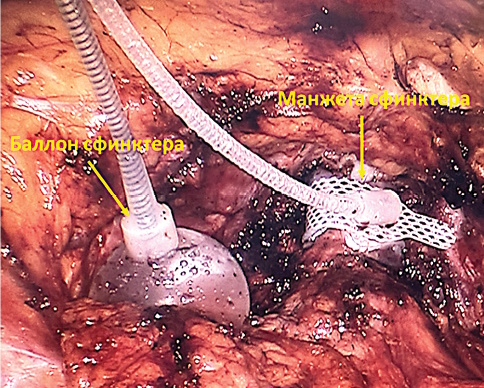
Introduction. Artificial urinary sphincter (AUS) implantation in women remains a challenging procedure due to the technical difficulties of open surgery, particularly in the setting of scar tissue following prior interventions. Robotic technology may improve outcomes through precise dissection in the narrow pelvic space.
Objective. To demonstrate the technical feasibility and efficacy of robot-assisted AUS implantation in a patient with total stress urinary incontinence and a history of multiple unsuccessful surgeries.
Materials & methods. We present a clinical case of a 62-year-old patient after hysterectomy, two failed TVT procedures, and synthetic sling incision. Robot-assisted implantation of a three-component sphincter was performed using the da Vinci Si system. Dissection was carried out under conditions of severe scarring with simultaneous visual and transvaginal control.
Results. No intraoperative complications were observed. Blood loss was less than 50 ml, and operative time was 160 minutes. The postoperative course was uneventful, with no pain requiring narcotic analgesics. At 3-year follow-up, the patient uses 1 pad per day (baseline 5 – 8 pads) and is completely dry at night. Maximum flow rate (Qmax) was 30.1 ml/s, and post-void residual volume was 30 – 40 ml.
Conclusion. Robot-assisted AUS implantation is a technically feasible and safe procedure in patients with scar tissue after prior surgeries, providing low invasiveness, precise dissection, and sustained improvement in quality of life.
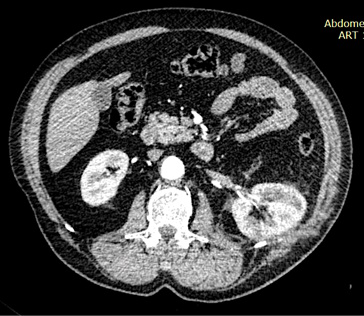
Introduction. Spontaneous non-neoplastic renal rupture (Wunderlich syndrome) is a rare and diagnostically challenging urological emergency that is established only after thorough exclusion of neoplastic etiologies.
Objective. To analyze diagnostic features and management strategies for spontaneous non-neoplastic renal rupture (Wunderlich syndrome) based on our institutional experience and a review of the literature.
Materials & methods. We present two clinical cases. Patient 1, a 58-year-old man, was admitted with acute left flank pain and nausea. Ultrasonography (US) and computed tomography (CT) revealed spontaneous rupture of the left kidney with signs of ongoing hemorrhage and a perinephric hematoma. Patient 2, a 59-year-old man, was hospitalized with severe left flank pain and weakness following minimal physical exertion. Imaging (US and CT) demonstrated extensive subcapsular and perinephric hematoma.
Results. In both cases, the diagnosis was confirmed by contrast-enhanced CT, which enabled verification of the rupture, assessment of blood loss, and exclusion of overt neoplasm. Despite an initial attempt at conservative management in the second patient, both ultimately required surgical intervention due to signs of ongoing or recurrent bleeding. Successful organ-preserving surgery was performed in both cases: partial nephrectomy with defect closure. Histopathological examination did not reveal tumor growth.
Conclusion. These cases highlight that spontaneous renal rupture necessitates a comprehensive diagnostic approach with mandatory contrast-enhanced CT. Management should be individualized, stepwise, and guided by multidisciplinary decision-making. Priority is given to conservative measures and endovascular techniques (angiographic embolization). Open organ-preserving surgery remains the treatment of choice when conservative therapy fails or bleeding progresses, allowing avoidance of nephrectomy and preservation of renal function.

Introduction. Upper tract urothelial carcinoma (UTUC) is a rare but aggressive malignancy associated with high rates of recurrence, diagnostic and staging challenges, and a substantial risk of implantation metastasis. In patients with bilateral or multifocal disease, standard radical nephroureterectomy results in loss of renal function, thereby limiting options for systemic therapy and adversely affecting quality of life. Current clinical guidelines increasingly support organ-preserving endoscopic approaches in carefully selected patients. We present a case illustrating successful stepwise organ-preserving management (laser excision, neoadjuvant chemotherapy, nephroureterectomy, and adjuvant immunotherapy) in a patient with metachronous primary multifocal urothelial carcinoma.
Case presentation. A 62-year-old man with a long history of non–muscle-invasive bladder cancer and recurrent disease despite multiple transurethral resections and intravesical therapy was found to have bilateral upper urinary tract involvement. He underwent ureteropyeloscopy with laser multifocal excision of tumors from the left renal pelvis and left ureter (Ta, low grade) and transurethral resection of the bladder. Four cycles of neoadjuvant chemotherapy with gemcitabine and cisplatin were administered for invasive urothelial carcinoma of the right renal pelvis (cT2N0M0). A partial response was achieved according to RECIST v1.1 (tumor size reduction 39–58%). Subsequently, laparoscopic right nephroureterectomy with paracaval lymphadenectomy and resection of the right ureteral orifice was performed. Histopathological examination revealed invasive high-grade urothelial carcinoma pT2N0, tumor regression grade 3 (indicating a poor response to neoadjuvant chemotherapy). The estimated glomerular filtration rate after completion of all procedures decreased to 58 mL/min/1.73 m². Adjuvant immunotherapy with nivolumab was initiated.
Conclusion. This case demonstrates that, even in the setting of an incomplete pathomorphological response to neoadjuvant chemotherapy, a comprehensive strategy that preserves the function of the remaining kidney can achieve oncologic radicality, enable adjuvant immunotherapy, and prevent dialysis dependence. Organ-preserving interventions for UTUC should be considered in specialized centers within a multidisciplinary framework.





