



Contents
Scroll to:
https://doi.org/10.21886/2308-6424-2025-13-5-80-85
Scroll to:
Introduction. Benign prostatic hyperplasia (BPH) is the most common cause of bladder outlet obstruction in men over 50 years old who have lower urinary tract symptoms.
Objective. To investigate the impact of intravesical prostate protrusion (IPP) during sonography concerning the response to medical treatment in patients with BPH.
Materials & methods. This study is a descriptive-analytical quasi-experimental. The individuals (80 patients) were divided into two groups based on the presence or absence of IPP as seen in ultrasound. Before and after one month of treatment with the alpha-blocker, PVR and IPSS were measured in the patients, and the improvement trends in the two groups were compared.
Results. The mean age of patients in both groups was 66.08 ± 10.8 years. After treatment with alpha-blockers, the mean PVR in IPP-patients was 6.82 ± 5.6 ml, and in no-IPP-patients it was 25.37 ± 15.57 ml (P > 0.001). After treatment with alpha-blockers, the mean score in IPP-patients was 6.78 ± 9.52, and in no-IPP-patients it was 12.55± 6.99 (P = 0.388).
Conclusion. The results indicate that the effect of the alpha-blocker medication on patients with IPP was greater than on those without IPP, highlighting the positive impact of using alpha-blockers in patients with BPH who have IPP.
Shahraini R., AghaBarati R., Tabarraie Ya., Jalambadani Z., Mehrmanesh M. The impact of intravesical prostate protrusion on the treatment outcomes in patients with benign prostatic hyperplasia. Urology Herald. 2025;13(5):80-85. https://doi.org/10.21886/2308-6424-2025-13-5-80-85
Benign prostatic hyperplasia (BPH) is the most common cause of bladder outlet obstruction (BOO) in men over 50 years old who have lower urinary tract symptoms (LUTS). It affects more than 50% of men over 50 and about 90% of men over 80. Treatment options for this group of individuals include monitoring, medication, and surgery. Among these, medication is the most common treatment, helping patients improve symptoms and prevent disease progression [1]. The tendency to undergo surgery is increasing daily, and the rising number of affected patients has resulted in high costs for the healthcare system. Therefore, we should allocate the funds spent on intervention approaches to investigating and researching more suitable long-term medical treatments [2][3]. The treatment of moderate to severe LUTS with incomplete urinary obstruction in patients with a prostate volume < 40 ml or a Prostate-Specific Antigen (PSA) < 1.5 ng/ml is with alpha-blockers. Alpha-blockers cause relaxation of the smooth muscles of the bladder neck and the urethra. This relaxation reduces bladder outlet resistance and facilitates a strong flow, allowing for the elimination of urine from the bladder [4]. Tamsulosin is the most prescribed medication for patients with BPH [2][5]. However, not all patients will benefit from this treatment (30 – 43%). Therefore, identifying patients and factors that lead to non-response or low response to drug treatment is useful for finding the right therapeutic approach, which, to date, has not been established with any criteria for predicting the percentage of drug response in these patients. An inexpensive and non-invasive technique is needed to identify these patients [6][7]. Ultrasound is a reliable method in which the parameters of prostate volume, post-void residual volume (PVR) of urine, and the extent of intravesical prostatic prolapse (IPP) are measured. In the meantime, the measurement of IPP can be used to evaluate diagnostic information and determine prognosis in BPH. So far, the value of IPP in identifying the response to medical treatment in BPH has not been thoroughly researched and examined. Articles have been published indicating that IPP can identify bladder outlet obstruction (BOO). According to reports, an IPP greater than 10 mm has good sensitivity for defining BOO [8, 9] There are other parameters to determine the degree of obstruction in patients with BPH. The International Prostate Score (which includes seven questions and scores ranging from 0 to 35, depending on the severity of urinary symptoms and obstruction) [10-12].
Objective. To investigate the impact of intravesical prostate protrusion (IPP) during sonography concerning the response to medical treatment in patients with BPH.
Ethical statement. This study was approved by the Research Ethics Committees of Sabzevar University of Medical Sciences in Iran (IR.MEDSAB.REC.1401.027). Written informed consent was obtained from all participants before ample collection.
Participants and Sampling. Male patients presenting with urinary symptoms attributable to BPH at the outpatient clinic were considered for inclusion. Inclusion criteria were age between 50 and 75 years, clinical diagnosis of BPH, and PSA levels up to 10.1 ng/mL after excluding malignancy based on digital rectal examination (DRE), imaging, or biopsy when indicated. PSA density and other clinical parameters were also used to minimize undetected prostate cancer risk, reflecting typical clinical practice scenarios where mild to moderate PSA elevations occur in BPH patients. Exclusion criteria were patient non-cooperation, inability to undergo diagnostic procedures pre- and post-intervention, and occurrence of urinary retention during the study. Patients with significant comorbidities, including uncontrolled diabetes or other systemic diseases that might confound urologic outcomes, were excluded as part of the broader criteria.
Procedures. After obtaining informed consent, patients underwent initial clinical assessment, including medical history, DRE, PSA testing, and ultrasound evaluation of prostate anatomy and PVR.
Ultrasound measurements were performed using an GE LOGIQ e (GE Healthcare, Chicago, IL, USA) device for assessing IPP and measuring PVR. The International Prostate Symptom Score (IPSS) questionnaire, consisting of seven questions with six response options each, was employed to quantify symptom severity.
Based on ultrasound findings, patients were categorized into two groups (IPP or no-IPP). Baseline IPSS and PVR values were recorded. All patients were prescribed tamsulosin 0.4 mg daily for one month. After completion of treatment, repeat ultrasound measurements of PVR and IPSS assessments were conducted. Patients bore the cost of routine ultrasound as part of standard clinical care. Compliance with the medication was monitored through patient self-report at follow-up.
Data Collection and Validation. Data on demographic characteristics, clinical parameters, ultrasound findings, PSA levels, IPSS scores, and PVR volumes were systematically collected at baseline and after one month of treatment. All ultrasound measurements were performed by the same trained sonographer to reduce inter-operator variability. IPSS questionnaires were administered by trained research personnel to ensure consistency. Data were checked for completeness and accuracy prior to analysis.
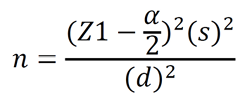
Statistical analysis. Data analyses were performed using SPSS version 24 (SPSS Inc., Chicago, IL, USA). Normality of continuous variables was assessed with the Kolmogorov-Smirnov test. Descriptive statistics included means, standard deviations, frequencies, and percentages. Between-group comparisons were conducted using independent t-tests for normally distributed continuous variables, Mann-Whitney U tests for non-parametric variables, chi-square or Fisher’s exact tests for categorical variables. Changes in IPSS and PVR before and after treatment within groups were evaluated via paired t-tests. A p-value < 0.05 was considered statistically significant. Simple random cluster sampling was employed to recruit study participants. Sample size calculation was based on previous uroflowmetry data, estimating the mean (M) and standard deviation (SD) before intervention. With a 95% confidence level and 80% power, a minimum of 40 subjects per group was determined.
The results indicated that the mean age of patients in all participants was 66.08 ± 10.8 years. The average duration of medication use among the patients was 4.08 ± 4.03 years, and the IPSS before the start of treatment was 14.07 ± 8.4 (Table 1).
Before treatment with alpha-blockers, the average volume of PVR in IPP-patients was 10.77 ± 7.94 ml, while in no-IPP-patients, it was 30.97 ± 18.93 ml. A statistically significant relationship was found between the PVR before treatment in the two groups, as determined by the t-test (P > 0.001).
After treatment with alpha-blockers, the mean PVR in IPP-patients was 6.82 ± 5.6 ml, compared to 2.37 ± 1.57 ml in no-IPP-patients. Again, the t-test showed a statistically significant difference between the two groups after treatment (P > 0.001).
Additionally, the average amount of IPP before treatment for IPP-patients was 2.85 ± 2.62 mm, compared to a post-void residual (PVR) of 25.37 ± 15.57 ml in no-IPP-patients. The value «25.37 ± 15.57 mm» corresponds in fact to the mean PVR not the protrusion size, in no-IPP-patients. The protrusion size in this group was essentially zero or negligible, consistent with the group definition. It is important to note that the mean PVR is measured in no-IPP-patients, rather than the protrusion size. The t-test also indicated a statistically significant relationship between the average amount of IPP before treatment in the two patient groups (P > 0.001). After treatment with alpha -lockers, the average amount of IPP was 1 ± 1.41 mm in IPP-patients, while it was 20.1 ± 11.82 mm in those no-IPP-patients. Once more, a statistically significant difference was found based on the t-test (P > 0.001). Regarding the mean IPSS before treatment, patients with IPP had a score of 11.77 ± 7.24, while those without protrusion had a mean score of 16.37 ± 8.87. There was no statistically significant relationship between the mean IPSS before treatment in the two groups (P = 0.116), (Table 2). After treatment, the mean IPSS was 9.52 ± 6.78 in IPP-patients and 12.55 ± 6.99 in those no-IPP-patients. Again, the t-test showed no statistically significant difference between the two groups after treatment (P = 0.388), (Table 2).
Table 1. The average of quantitative variables in all participants before the intervention
|
Variable |
Mean ± SD |
Maximum |
Minimum |
|
Age |
66.08 ± 10.8 |
93 |
50 |
|
Years of using the drug |
4.08 ± 4.03 |
20 |
0 |
|
IPSS |
14.07 ± 8.40 |
34 |
1 |
|
PVR |
20.80 ± 17.64 |
30 |
1 |
|
IPP |
13.35 ± 12.38 |
100 |
0 |
Table 2. Comparison of the results of the effect of IPP on ultrasound on the response rate to alpha-blocker treatment
|
Parameters |
Group 1 (case) (n = 40) |
Group 2 (control) (n = 40) |
Independent Samples Test P-value |
|
Mean ± SD |
|||
|
Mean PVR before treatment |
10.77 ± 7.94 |
30.97 ± 18.93 |
< 0.001 |
|
Mean PVR after treatment |
6.82 ± 5.60 |
25.37 ± 15.57 |
< 0.001 |
|
Mean IPP before treatment |
2.85 ± 2.62 |
23.85 ± 8.79 |
< 0.001 |
|
Mean IPP after treatment |
1.00 ± 1.41 |
20.1 ± 11.82 |
< 0.001 |
|
Mean IPSS before treatment |
11.77 ± 7.24 |
16.37 ± 8.87 |
< 0.001 |
|
Mean IPSS after treatment |
9.52 ± 6.78 |
12.55 ± 6.99 |
0.388 |
Alpha-blockers primarily act by antagonizing alpha-1 adrenergic receptors located on the smooth muscle cells of the prostate and bladder neck, leading to relaxation of these muscles. This relaxation reduces dynamic BOO and improves urine flow, which is the primary mechanism of symptomatic relief in BPH.
Regarding IPP, alpha-blockers do not directly reduce the structural bulk or static component of the prostate tissue responsible for the protrusion. Rather, they decrease the smooth muscle tone, which can result in a functional reduction in protrusion appearance on ultrasound due to decreased muscle contraction and tension around the protruding tissue. Therefore, the observed reduction in IPP size after alpha-blocker treatment represents a functional or false reduction rather than a true anatomical decrease in prostate volume.
In contrast, 5-alpha reductase inhibitors are known to induce true prostate volume reduction over longer treatment durations. Our study’s observations regarding decreased protrusion size reflect the dynamic changes mediated by muscle relaxation rather than tissue regression.
In the study by A. Kalkanli et al. (2016), men aged 50 to 80 years with LUTS secondary to BPH were studied between 2013 and 2014. 49 patients were selected and evaluated at baseline with PSA, IPSS, transabdominal and transrectal ultrasound (to measure PVR, IPP, and prostate volume). They were then treated with tamsulosin and followed up with the methods mentioned above after one and three months of treatment. A review of post-treatment results showed that IPP was significantly associated with patient response to alpha-blockers [1]. In the study by A.A. Cumpanas et al. (2013), between 2009 and 2011, 183 patients with LUTS who had BPH were studied in two groups of 90 and 93 patients. IPP was < 10 mm in group A and > 10 mm in group B. Patients were treated with tamsulosin for three months. IPSS, uroflowmetry, and IPP were studied before and after treatment in both groups. The result was that the group with IPP < 10 mm had a poorer response to treatment than the other group [13].
In the study by T. Yoshida et al. (2016), between 2010 and 2014, 111 patients were treated with dutasteride for urinary symptoms secondary to BPH. Patients with IPP < 10 mm were selected. Of the 111 patients, 27 (24.3%) developed urinary retention and required surgery. In patients with lower IPP, both IPSS and maximum urinary flow rate improved after treatment. However, this improvement was not observed in patients with higher IPP. No significant reduction in IPP was observed after treatment, while prostate volume was significantly reduced after treatment with dutasteride. The higher the IPP level, the greater the treatment resistance and the risk of urinary retention and the need for prostate surgery in patients receiving dutasteride for symptoms related to BPH. Dutasteride is not an effective drug for reducing IPP [14]. In the study by H.J. Lee et al. (2017), 114 men over 50 years of age with LUTS were evaluated for symptoms, uroflowmetry, PSA, and transabdominal ultrasound (to assess IPP, PV, and PVR). Thirty-six patients had prostate volumes < 30 ml and IPP < 10 mm, 9 patients (25%) had urodynamic obstruction, all of which had normal bladder contractions. 40 patients (38.9%) had weak detrusor contractions and no obstruction. IPP, PVR, and PV are significantly associated with urinary tract obstruction. Uroflowmetry and IPP results were significantly associated with detrusor contraction. In the 5-year follow-up, most patients responded to drug treatment, and only 33.3% required surgery. In men with small prostates and low IPP, the incidence of urinary tract obstruction is related to prostate volume, PVRU, and IPP levels, and the response to drug treatment [15]. In our study, the mean data from the study, after treatment with alpha-blockers, in both intervention groups was lower than when patients had not started using alpha-blockers. This indicates the positive effect of using alpha-blockers in patients with BPH. Also, studies showed that the impact of alpha-blockers on patients (IPP < 10 mm) was much greater than in patients with no prostatic protrusion into the bladder. Therefore, it can be concluded that the improvement of this drug is more effective on low IPP and PVR levels. Therefore, the present study agrees with studies by A. Kalkanli et al. (2016) and A.A. Cumpanas et al. (2013) are consistent [1, 13]. Our study was somewhat consistent with the studies of T. Yoshida et al. (2016) and H.J. Lee et al. (2017) [14][15], with the difference that in the study by T. Yoshida et al. (2016), only patients with IPP < 10 mm were selected, and the type of alpha-blocker drug differed from that in our study. Also, in the study of H.J. Lee et al. (2017), the frequency of patients with detrusor contraction and its relationship with IPP and the frequency of patients who underwent surgery were examined, but in our study, these cases were not examined. Instead, the statistical relationship of IPP, PVR, and IPSS before and after treatment was calculated in both intervention groups.
Limitations of the study. In this study, the small sample size and the case–control design prevented the treatment response from being accurately measured. Therefore, generalizing the findings to the broader population of prostate cancer patients with prostate protrusion into the bladder is limited. It is recommended that future studies be conducted with a larger sample size.
The therapeutic effect of alpha-blockers is markedly enhanced in patients with prostatic protrusion into the bladder compared to those without protrusion, suggesting a phenotype-specific response to alpha-blockade in BPH. The observed amplification of benefit in the protrusion group implies a potential interaction between prostatic architectural changes and alpha-adrenergic signaling that merits mechanistic exploration. This study underscores the clinical value of assessing prostatic protrusion as a stratification marker for personalized medical therapy in BPH. Beyond symptom relief, alpha-blockade in IPP-patients appears to improve objective bladder function and may reduce BOO progression, highlighting a potential disease-modifying aspect in this subgroup. The findings open avenues for innovative therapies that combine alpha-blockade with targeted modulation of prostatic–bladder interactions and call for prospective trials to validate durability and long-term outcomes in diverse populations.
1. Kalkanli A, Tandogdu Z, Aydin M, Karaca AS, Hazar AI, Balci MB, Aydin M, Nuhoglu B. Intravesical Prostatic Protrusion: A Potential Marker of Alpha-blocker Treatment Success in Patients With Benign Prostatic Enlargement. Urology. 2016;88:161-5. DOI: 10.1016/j.urology.2015.11.029
2. Sandhu JS, Bixler BR, Dahm P, Goueli R, Kirkby E, Stoffel JT, Wilt TJ. Management of Lower Urinary Tract Symptoms Attributed to Benign Prostatic Hyperplasia (BPH): AUA Guideline Amendment 2023. J Urol. 2024;211(1):11-19. DOI: 10.1097/JU.0000000000003698
3. Wei H, Zhu C, Huang Q, Yang J, Li YT, Zhang YG, Li BH, Zi H. Global, regional, and national burden of benign prostatic hyperplasia from 1990 to 2021 and projection to 2035. BMC Urol. 2025;25(1):34. DOI: 10.1186/s12894-025-01715-9
4. Wolfe RC, Portell J, Maamari JA. Pharmacologic Management of Postoperative Urinary Retention. J Perianesth Nurs. 2023;38(4):667-670. DOI: 10.1016/j.jopan.2023.05.006
5. Britto-Júnior J, Guimarães RAB, Oliveira DL, Lima AT, Quirino Junior G, de Oliveira Stocco GA, Salgado Uramoto EH, Fregonesi A, Antunes E, De Nucci G. Alpha1-adrenergic blockers selectively antagonize the contractions induced by 6-nitrodopamine in the human vas deferens. Naunyn Schmiedebergs Arch Pharmacol. 2024;397(5):3227-3238. DOI: 10.1007/s00210-023-02805-x
6. Sciacqua LV, Vanzulli A, Di Meo R, Pellegrino G, Lavorato R, Vitale G, Carrafiello G. Minimally Invasive Treatment in Benign Prostatic Hyperplasia (BPH). Technol Cancer Res Treat. 2023;22:15330338231155000. DOI: 10.1177/15330338231155000
7. Chughtai B, Rojanasarot S, Neeser K, Gultyaev D, Fu S, Bhattacharyya SK, El-Arabi AM, Cutone BJ, McVary KT. A comprehensive analysis of clinical, quality of life, and cost-effectiveness outcomes of key treatment options for benign prostatic hyperplasia. PLoS One. 2022;17(4):e0266824. DOI: 10.1371/journal.pone.0266824
8. Eze BU, Amu OC, Edeh JA. A Review of Intravesical Prostatic Protrusion in the Evaluation and Treatment of Benign Prostatic Enlargement. European Journal of Medical and Health Sciences. 2021;3(1):13-17.
9. Suastari NMP, Mahayani NMW, Dinata DKAHP. Correlation between Prostate Volume and Intravesical Prostate Protrusion to Bladder Detrusor Muscle Thickness in Patients with Benign Prostate Enlargement by Transabdominal Ultrasound Examination in Banjar Jagatamu, Meliling, Kerambitan, Tabanan 2024. Al Makki Health Informatics Journal. 2025;3(1):37-43.
10. Chen X, Yang S, He Z, Chen Z, Tang X, Lin Y, Huang Y, Hou J, Wei X. Comprehensive analysis of the global, regional, and national burden of benign prostatic hyperplasia from 1990 to 2021. Sci Rep. 2025;15(1):5644. DOI: 10.1038/s41598-025-90229-3
11. Raffo M, Capogrosso P, Pozzi E, Belladelli F, Corsini C, Bertini A, Negri F, Candela L, Larcher A, Matloob R, d’Arma A, Montorsi F, Salonia A. Clinical predictors of bladder outlet obstruction in men consulting for routine urological screening. Int Urol Nephrol. 2025;57(8):2513-2518. DOI: 10.1007/s11255-025-04432-2
12. Creta M, Baboudjian M, Sakalis V, Bhatt N, Nunzio C, Gacci M, Herrmann TRW, Karavitakis M, Malde S, Moris L, Netsch C, Rieken M, Schouten N, Tutolo M, Yuan Y, Hashim H, Cornu JN. Management of Primary Bladder Neck Obstruction and Dysfunctional Voiding in Young Men: A Systematic Review and Meta-analysis. Eur Urol Focus. 2025;11(3):496-507. DOI: 10.1016/j.euf.2025.01.011
13. Cumpanas AA, Botoca M, Minciu R, Bucuras V. Intravesical prostatic protrusion can be a predicting factor for the treatment outcome in patients with lower urinary tract symptoms due to benign prostatic obstruction treated with tamsulosin. Urology. 2013;81(4):859-863. DOI: 10.1016/j.urology.2012.12.007
14. Yoshida T, Kinoshita H, Yoshida K, Mishima T, Taniguchi H, Yanishi M, Komai Y, Yasuda K, Sugi M, Matsuda T. Intravesical Prostatic Protrusion as a Predicting Factor for the Adverse Clinical Outcome in Patients With Symptomatic Benign Prostatic Enlargement Treated With Dutasteride. Urology. 2016;91:154-157. DOI: 10.1016/j.urology.2016.01.009
15. Lee HJ, Lee A, Huang HH, Sundaram P, Foo KT. Patients with small prostates and low-grade intravesical prostatic protrusion – A urodynamic evaluation. Asian J Urol. 2017;4(4):247-252. DOI: 10.1016/j.ajur.2017.03.003
Ramin Shahraini — Assist. Prof.
Sabzevar
Reyhaneh AghaBarati
Sabzevar
Yaser Tabarraie — Ph.D., Assist. Prof.
Sabzevar
Zeinab Jalambadani — Ph.D., Assist. Prof.
Sabzevar
Maliheh Mehrmanesh — M.Sc. in Midwifery
Tehran
Shahraini R., AghaBarati R., Tabarraie Ya., Jalambadani Z., Mehrmanesh M. The impact of intravesical prostate protrusion on the treatment outcomes in patients with benign prostatic hyperplasia. Urology Herald. 2025;13(5):80-85. https://doi.org/10.21886/2308-6424-2025-13-5-80-85
Editor-in-Chief
 Vladimir P. Glukhov
 Email this article (Login required)
Email the author (Login required)
Email this article (Login required)
Email the author (Login required) 29 Nakhichevanskiy Ln., Rostov-on-Don, 344022, Russian Federation, Rostov State Medical University, Department of Urology and Pediatric Urology
Phone: +7 (863) 201-44-48
e-mail: urovest@mail.ru





